The temperature gradient inside a roasting carrot
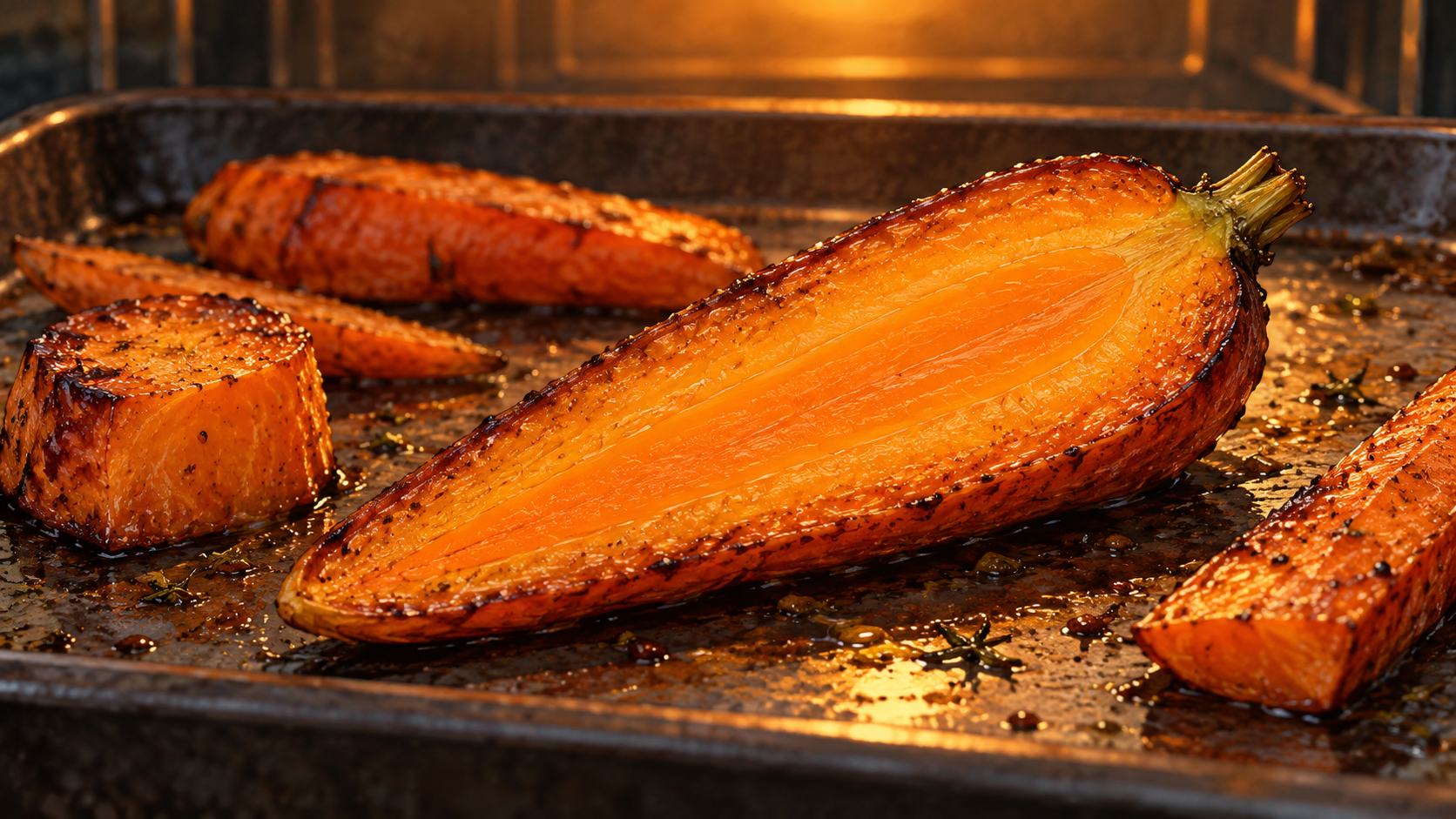
A carrot’s browned edge and firm centre have lived through different temperatures. Heat penetration, moisture loss and tissue softening explain why a good roast depends on both cut and surface.
Follow a thread
4 stories found Clear filters ↗
A carrot’s browned edge and firm centre have lived through different temperatures. Heat penetration, moisture loss and tissue softening explain why a good roast depends on both cut and surface.
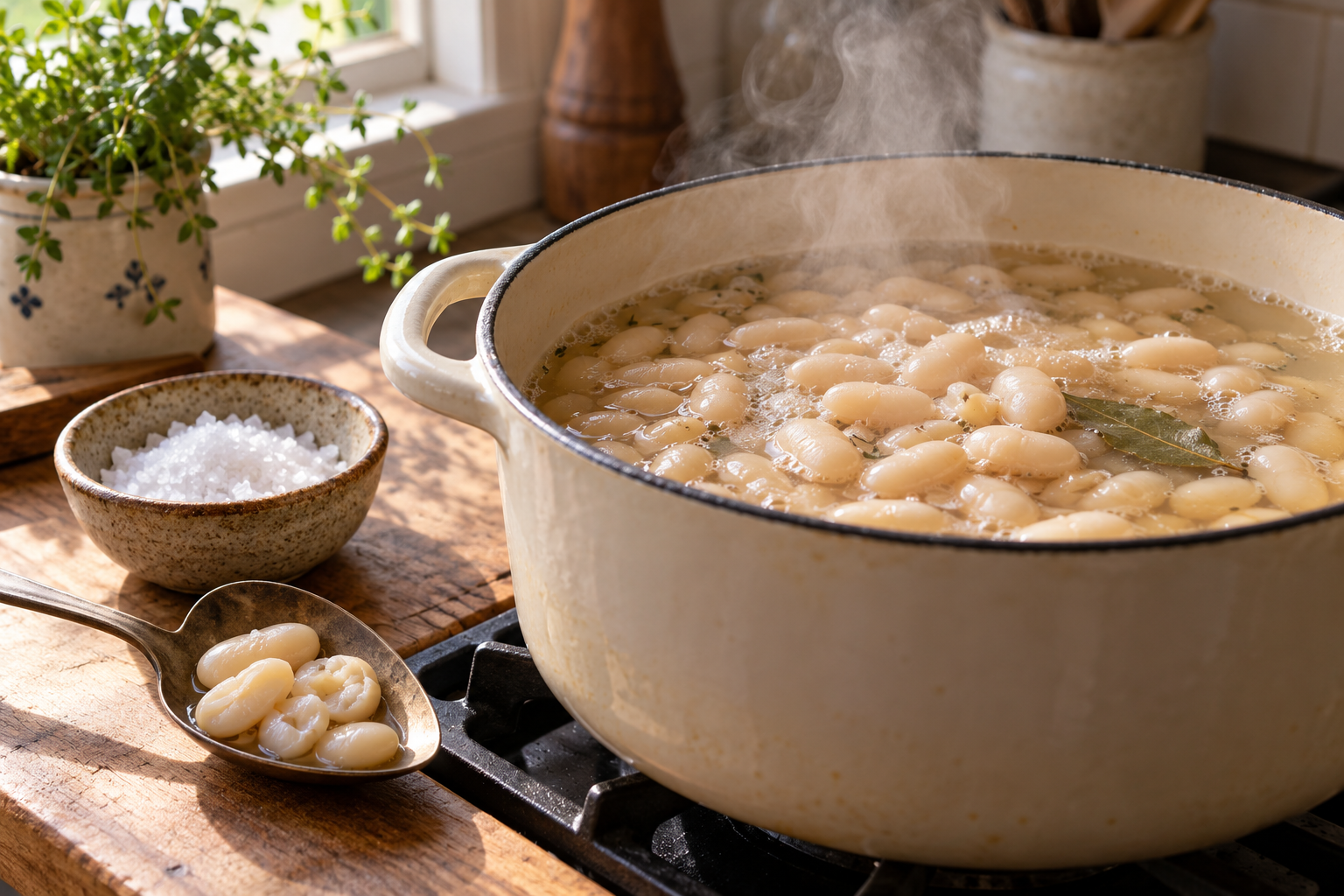
Salt can season beans and alter their texture, but studies of soaking and simmering do not yield one universal timing rule. Variety, dose, minerals, acidity and storage history all change what happens in the pot.
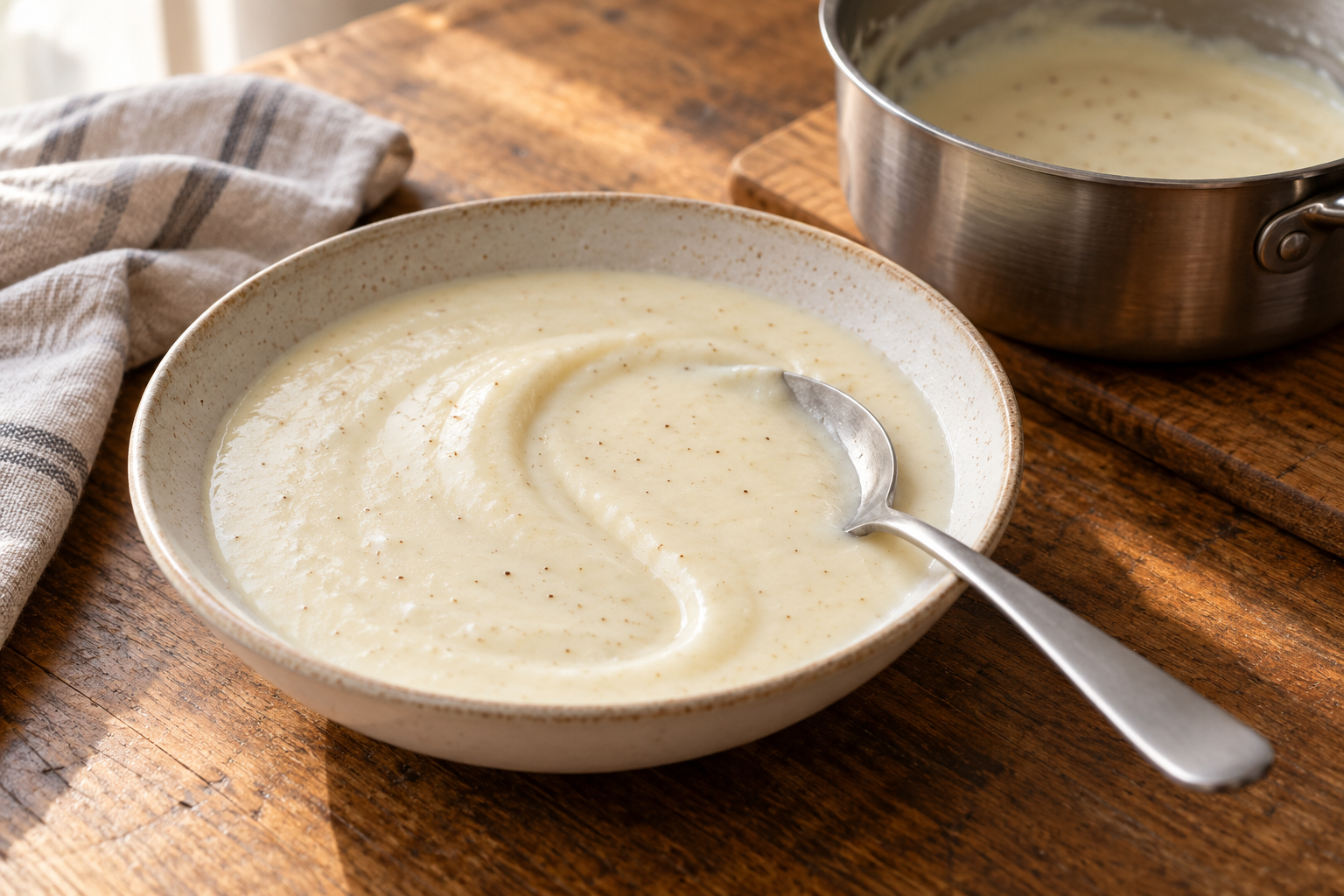
A starch-thickened sauce can look loose in the pan and hold a spoon mark on the plate. Heating opens and swells starch granules; cooling gives their released chains and swollen remnants another chance to build structure.
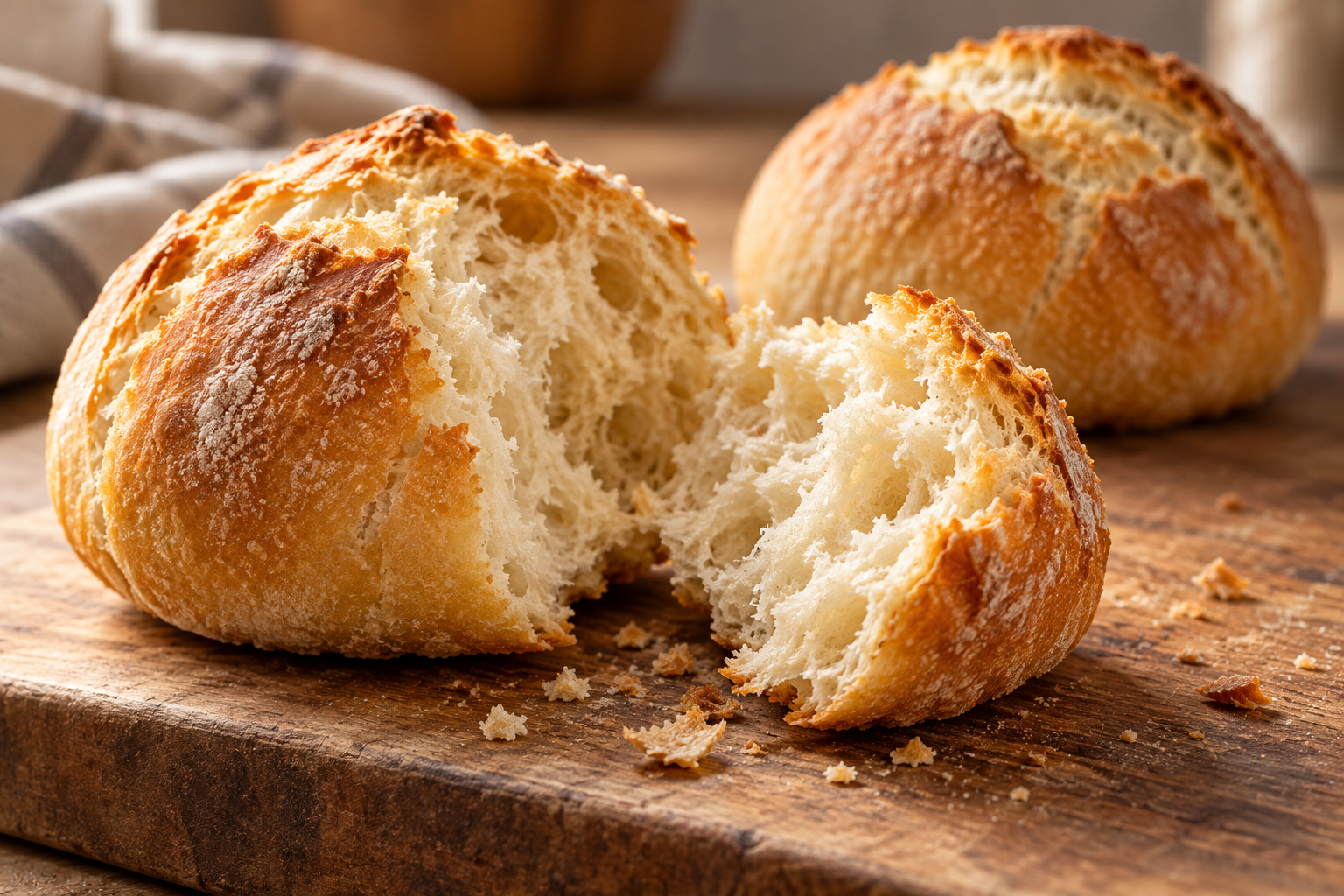
A bread crust can lose its crackle without getting wet from outside. Water moves from the soft crumb toward the dry crust; the loaf's pores and crust permeability decide how quickly that change can be heard and felt.